What makes a restaurant robotic? - Tips for designing your space

A robot waiters can only work effectively if the design of the guest area supports safe and barrier-free navigation. A robot-friendly restaurant is not about specific technological requirements, but about principles that help the robot to move and increase the efficiency of service.

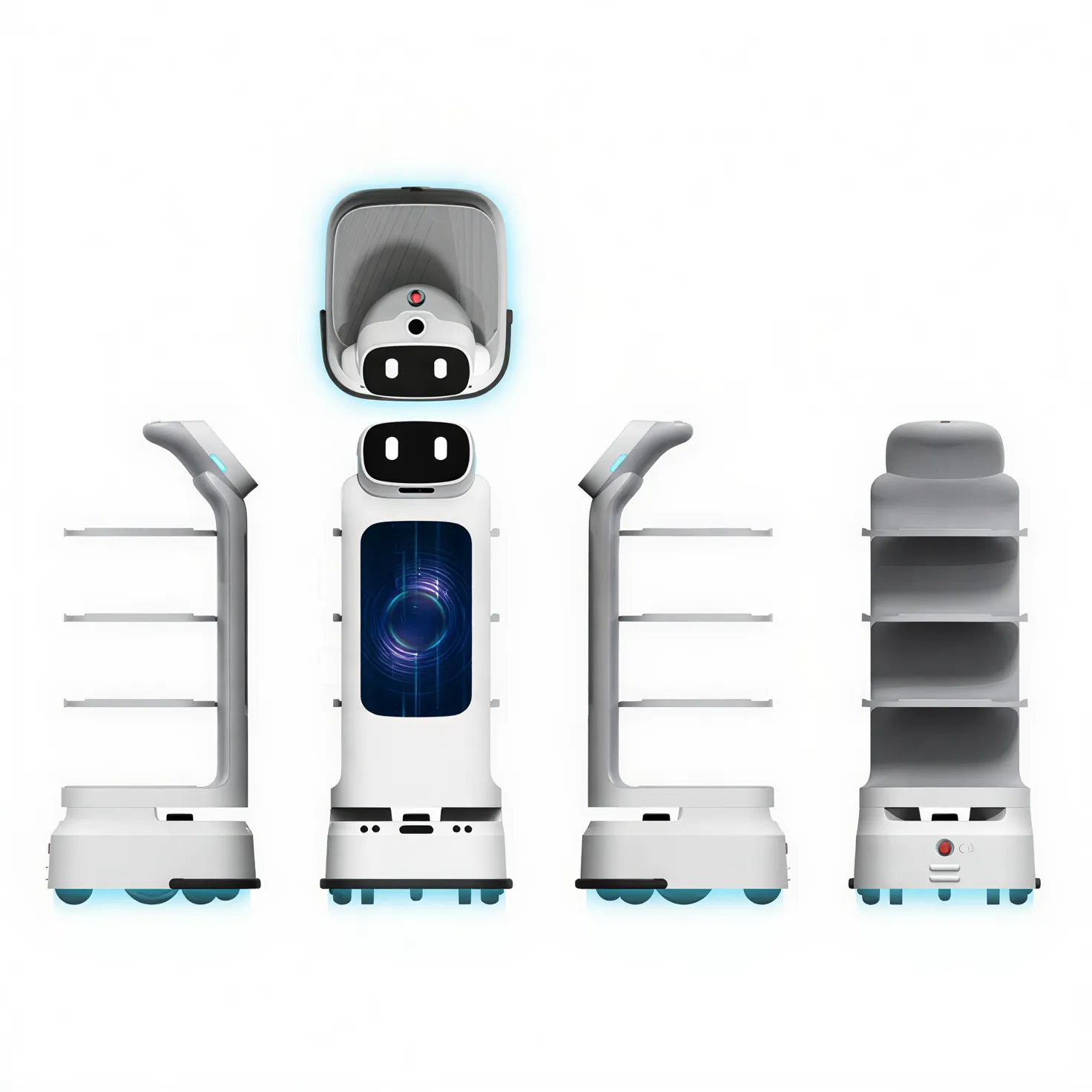
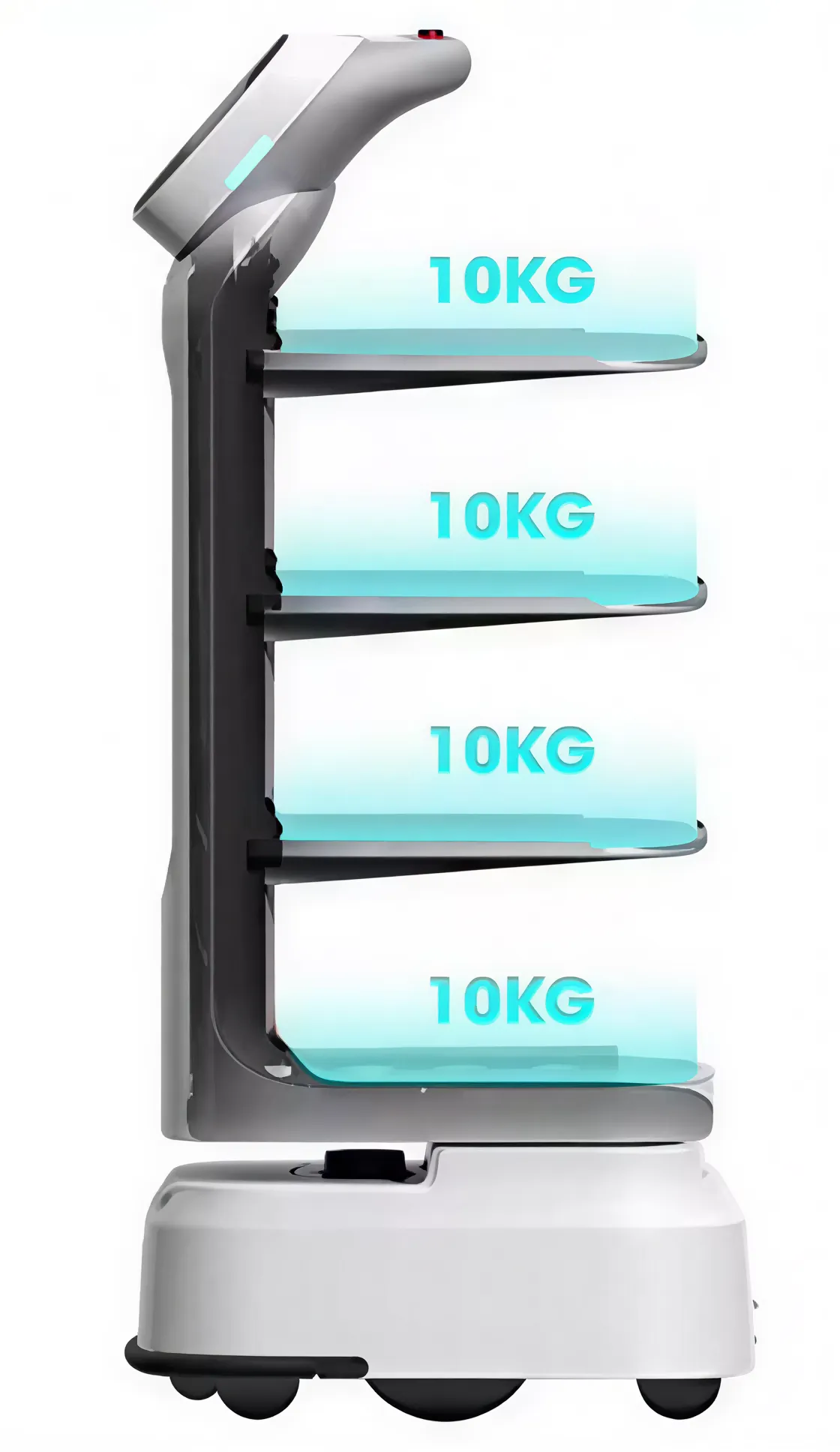
Serving robot - robot waiter

1. Wide, accessible transport routes

Robot waiters follow predefined routes, so it's important that:

  • corridors should not be too narrow,
  • chairs and tables should not project into traffic lanes,
  • the main routes should be well accessible.

This is not only good for the robot, but also makes it easier for people to move around.

2. Stably placed furniture

Helps the robot navigate safely when in the restaurant:

  • the furniture is in a fixed place,
  • chairs are not regularly pushed out of the way of the robot,
  • entrances and bends are free of moving obstacles.

This reduces the possibility of collisions and results in faster work.

3. Minimum loose object on the floor

The robots can detect obstacles, but small objects left on the floor - for example:

  • toys for children,
  • packaging,
  • napkins,
  • bags -

slow down or stop the robot.
A tidy guest area ensures more efficient robot work.

4. Visible and logical table numbering

A serving robots rely on the map and the location of the tables. The guest space is more robot-friendly if:

  • the tables are clearly numbered,
  • the sections are clearly distinguishable,
  • routes are easy to plan.

This results in faster service and fewer errors.

5. Distraction-free bends and turns

The robot moves most accurately when it makes turns:

  • are not very sharp,
  • are not crowded,
  • are not full of moving obstacles.

The clear paths help the robot to move in a stable way.

6. Easy access to the kitchen

A robot waiter usually runs between the kitchen and the guest area.
Part of the robot-friendly design may include:

  • the kitchen transmitter is easily accessible,
  • no congestion in front of it,
  • the robot can easily turn and stop.

This speeds up the entire service process.

Summary

A restaurant becomes robot-friendly when the dining area:

  • is permeable,
  • arranged,
  • logically arranged,
  • and can be navigated without obstacles.


These factors help the robot waiter to work quickly, safely and efficiently - to the delight of both customers and staff.

More articles

    📞 Call Request for quotation