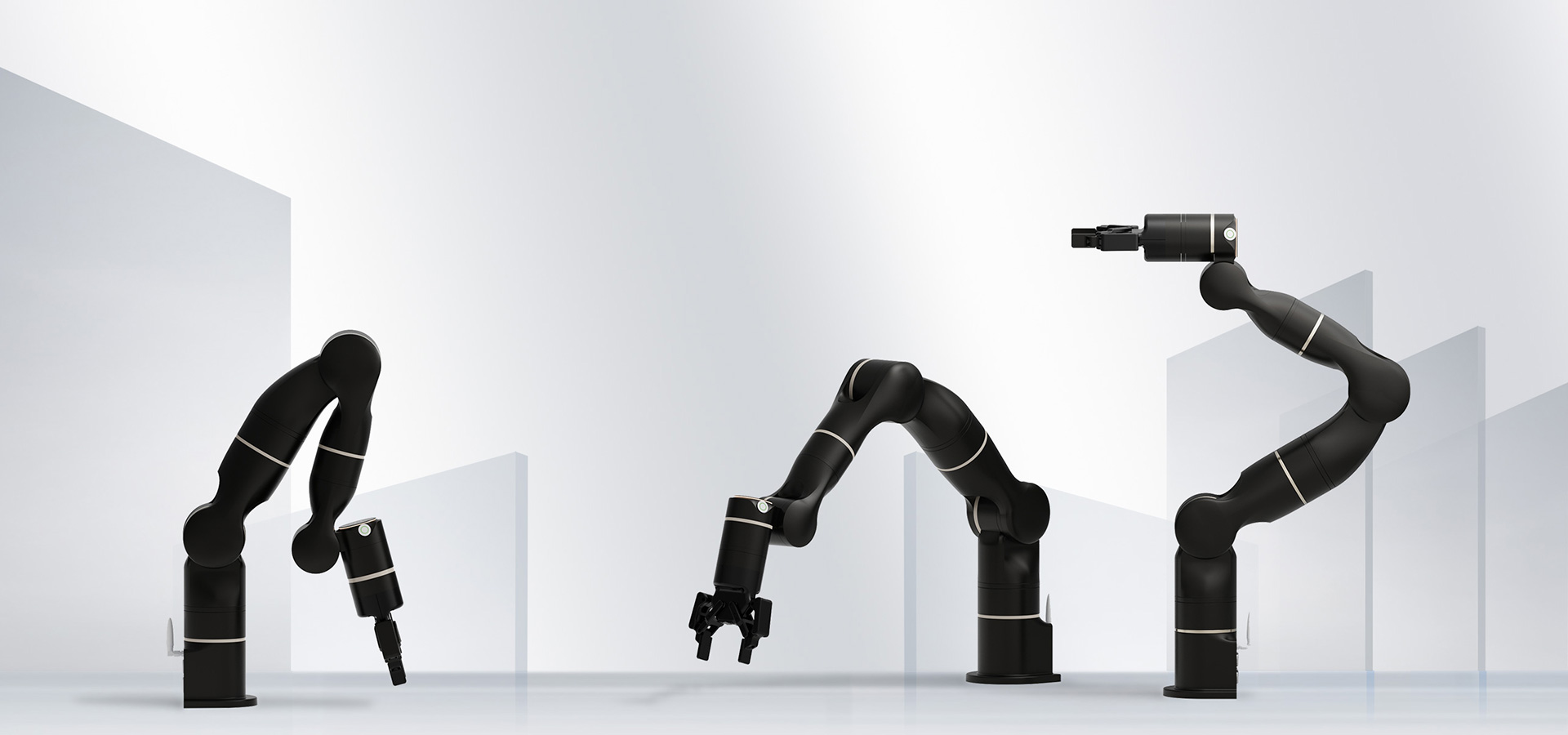
Robotkarok megtérülése – gyorsaság és selejtarány Automatizálás vagy plusz munkaerő? Mikor melyik a jobb döntés? A termelésben és a kiszolgáló...

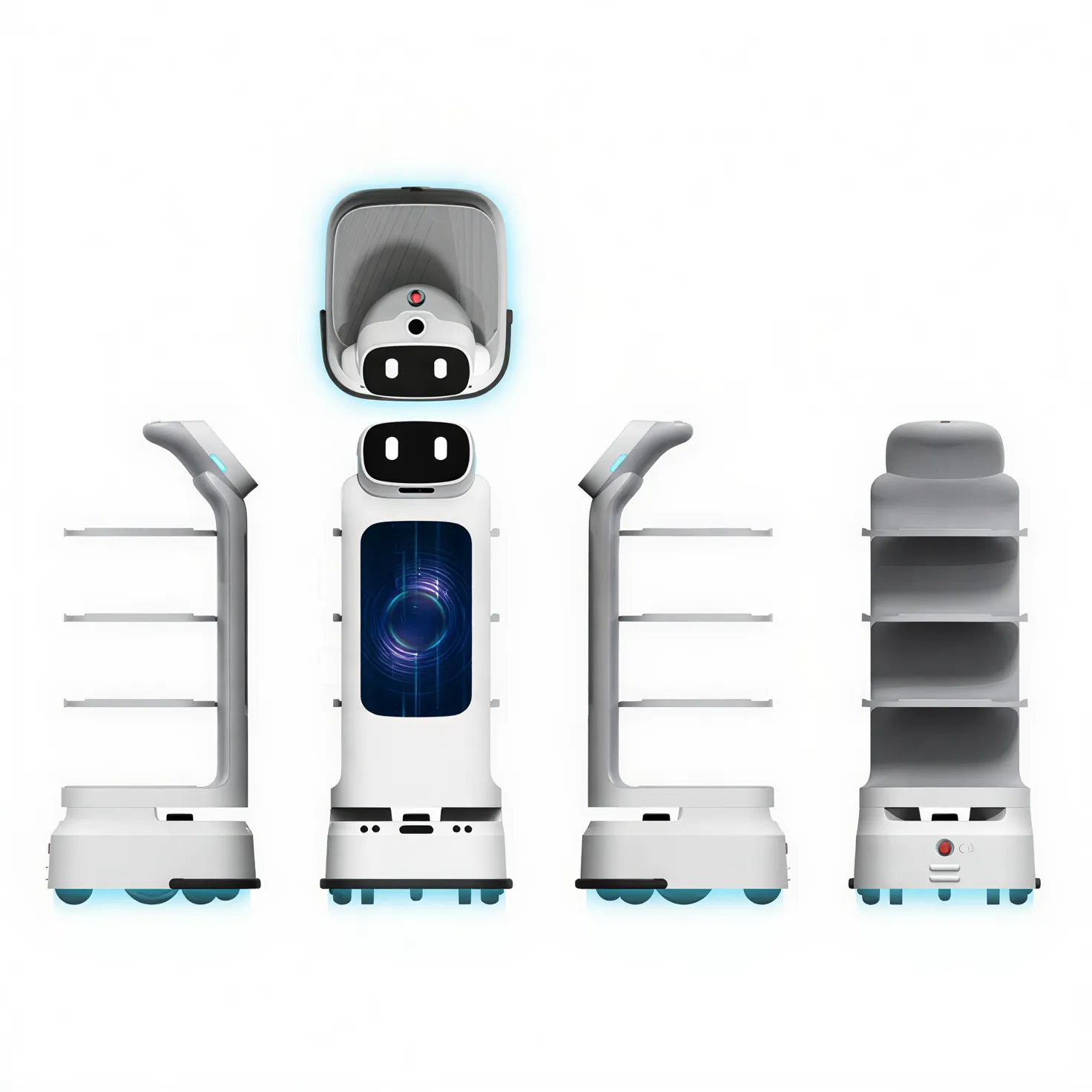
Robotkarok megtérülése – gyorsaság és selejtarány Automatizálás vagy plusz munkaerő? Mikor melyik a jobb döntés? A termelésben és a kiszolgáló...

Branding lehetőség: robot mint mozgó reklámfelület (logó, üzenet, kampány) – és mire figyelj, hogy ne legyen “gagyi” Nyilvános terekben a...
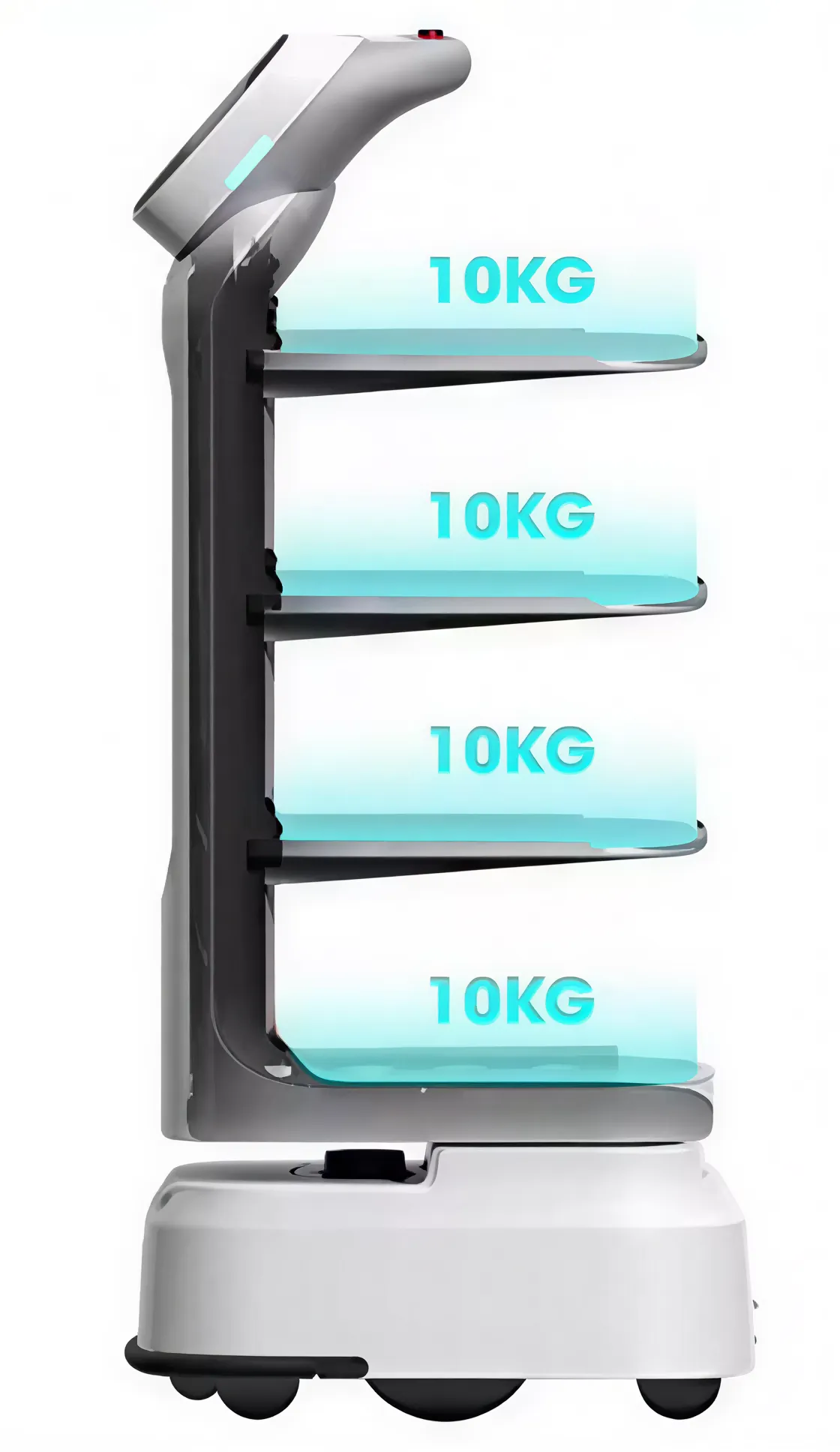
Robot-pincér és idősek otthona: segítő funkciók a gondozásban Egy idősotthonban az étkeztetés nem „vendéglátás” a klasszikus értelemben, mégis ugyanaz a...
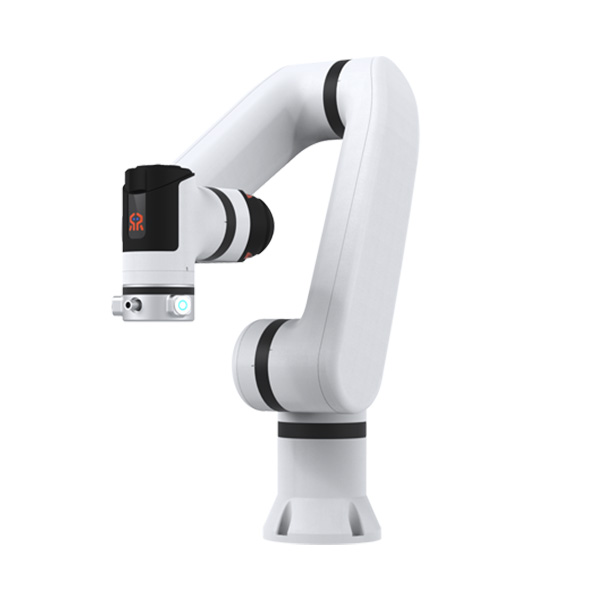
Miért fontos a gyártásban az ismételhetőség, és ebben hogyan segít egy robotkar? A gyártásban a minőség nemcsak az alapanyagon és...
Hogyan segít a robotpincér a személyzet leterheltségének csökkentésében? A vendéglátásban a leterheltség leggyakrabban abból fakad, hogy csúcsidőben sok vendég érkezik...
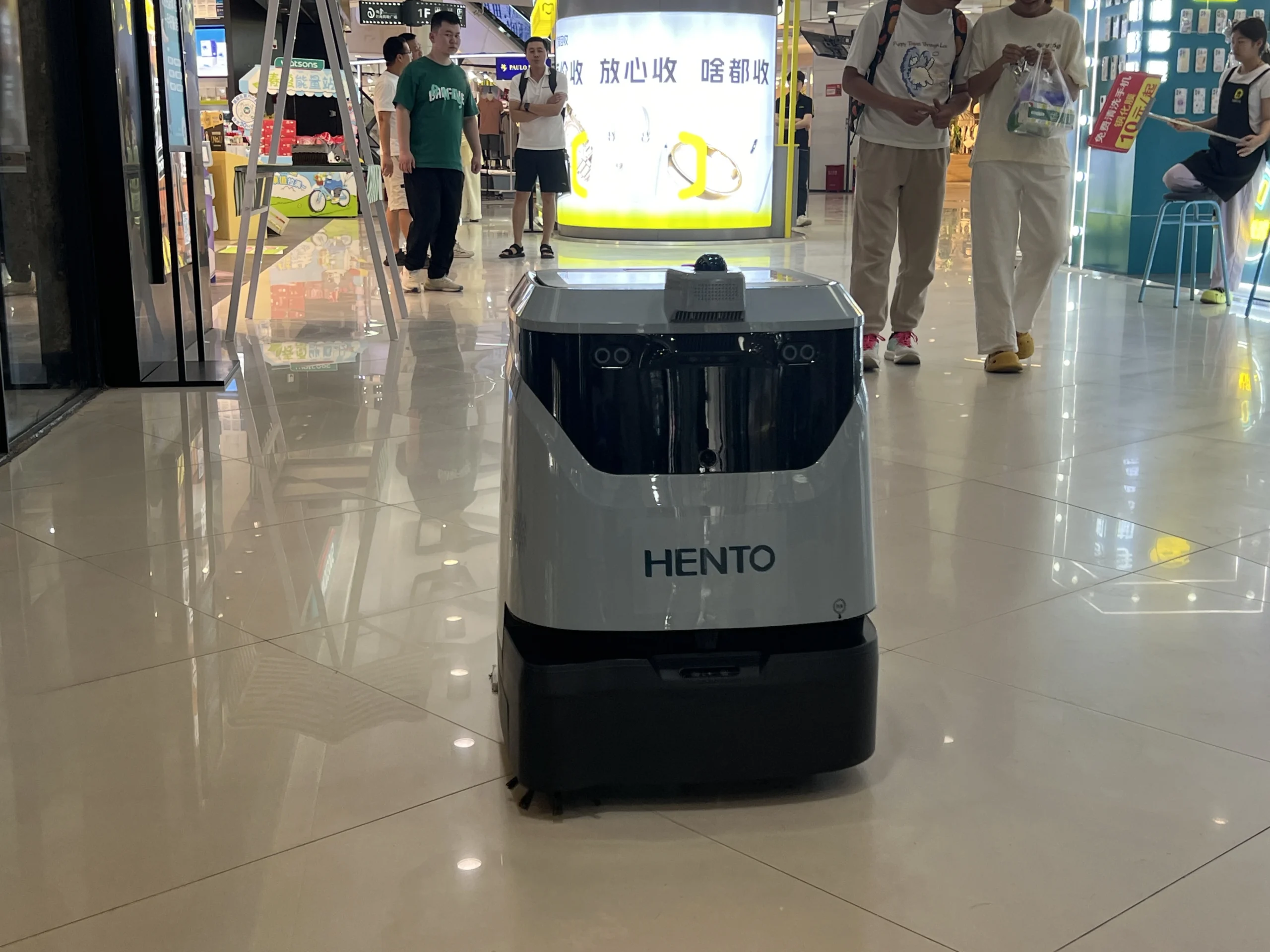
Hogyan hat a takarító robot a vendégek/dolgozók benyomására Egy vendég vagy egy munkatárs benyomását sokszor nem a látványos dolgok döntik...