How does a robot waiter navigate? - Cameras, sensors in plain language

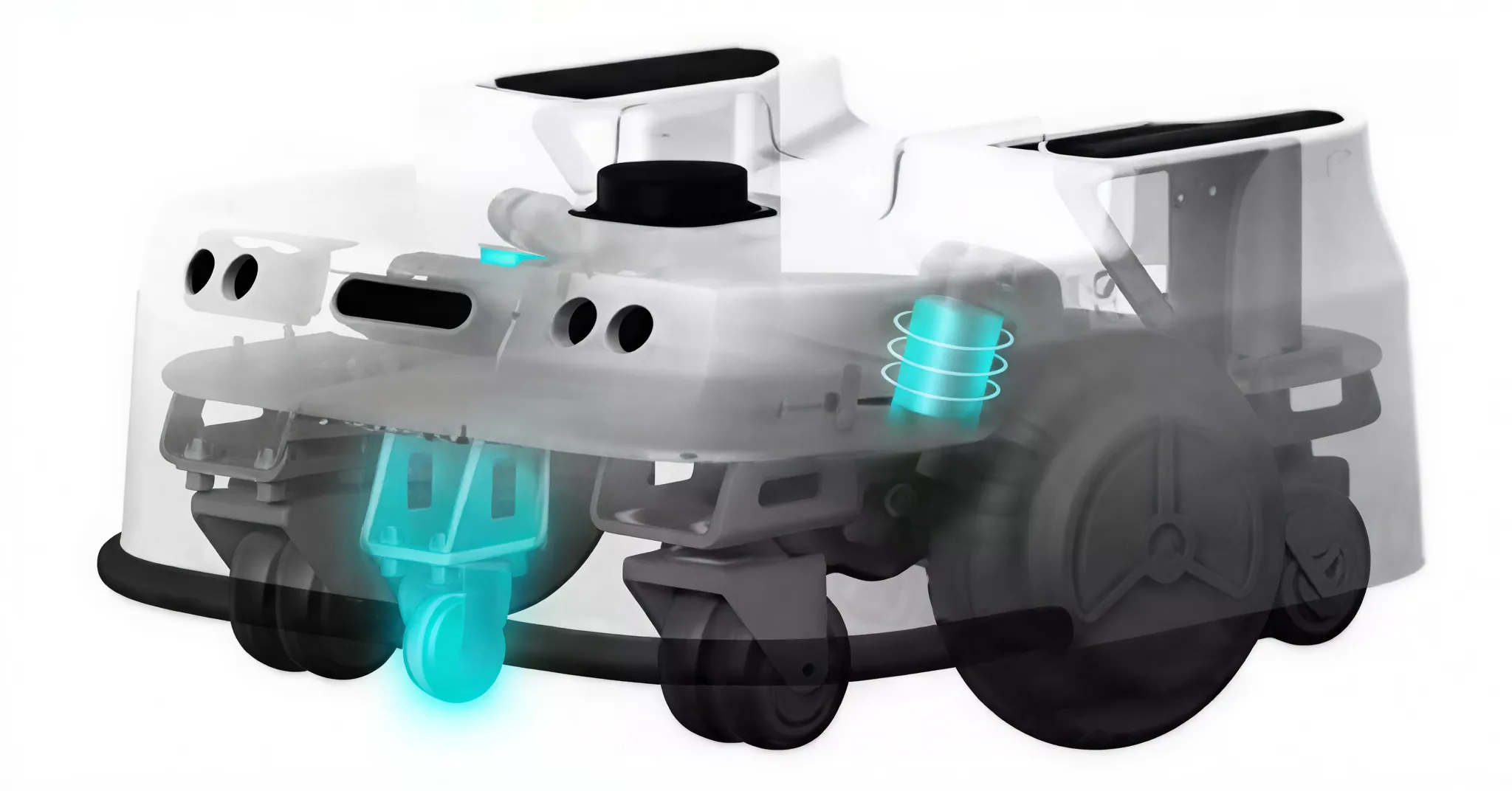
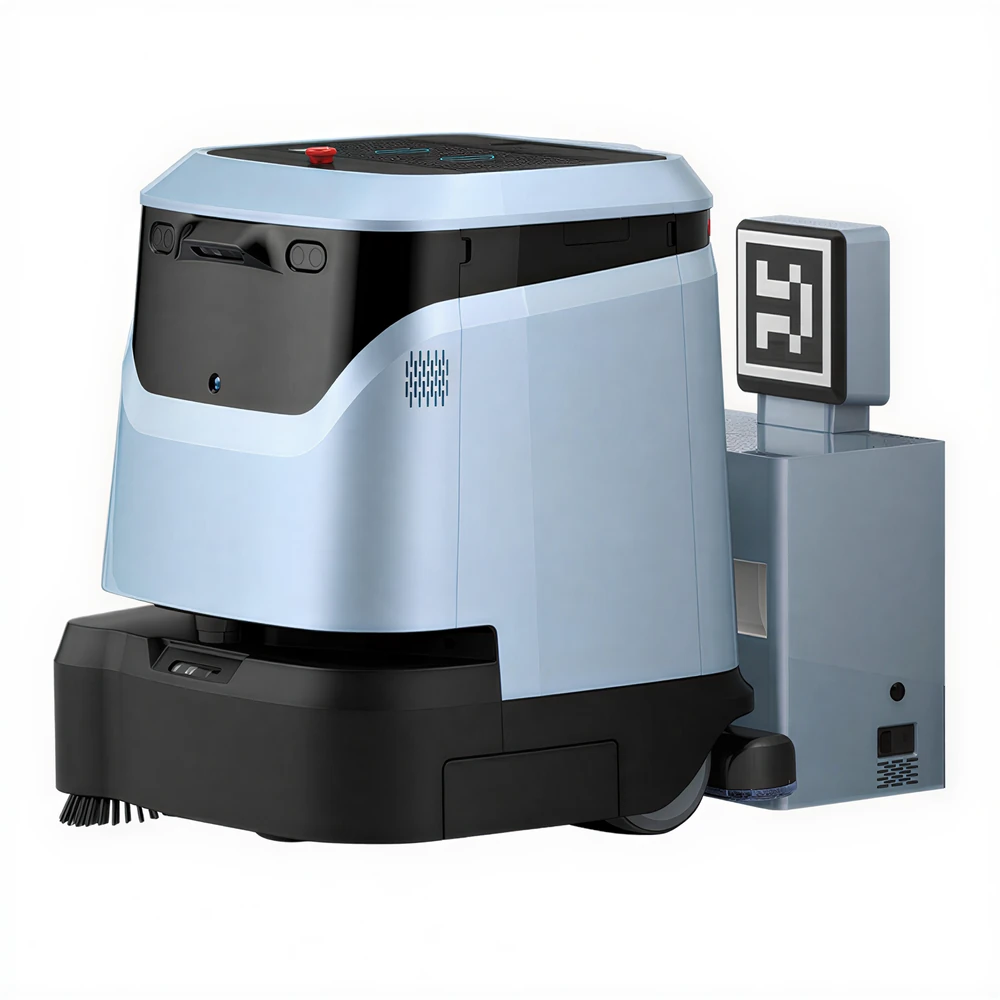
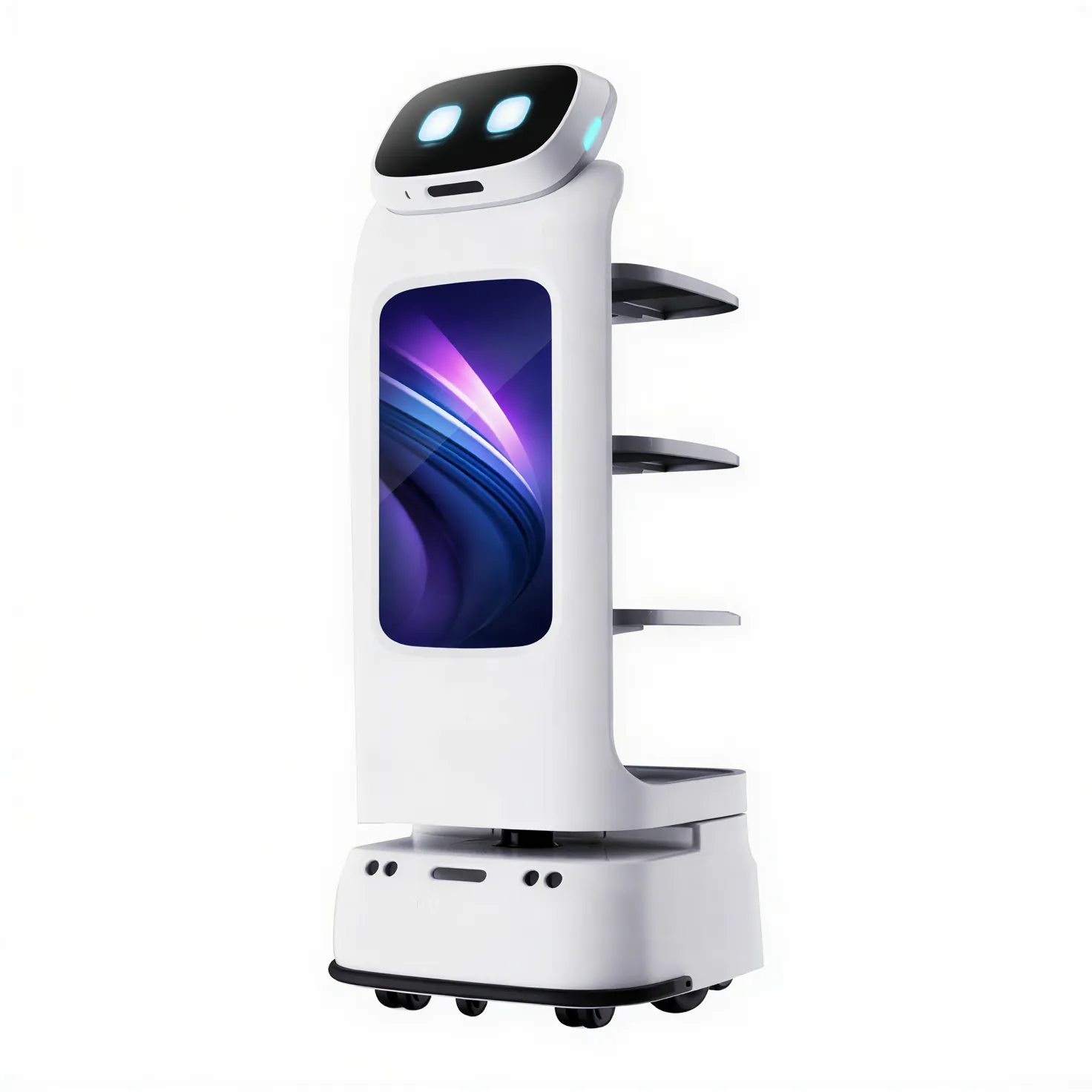
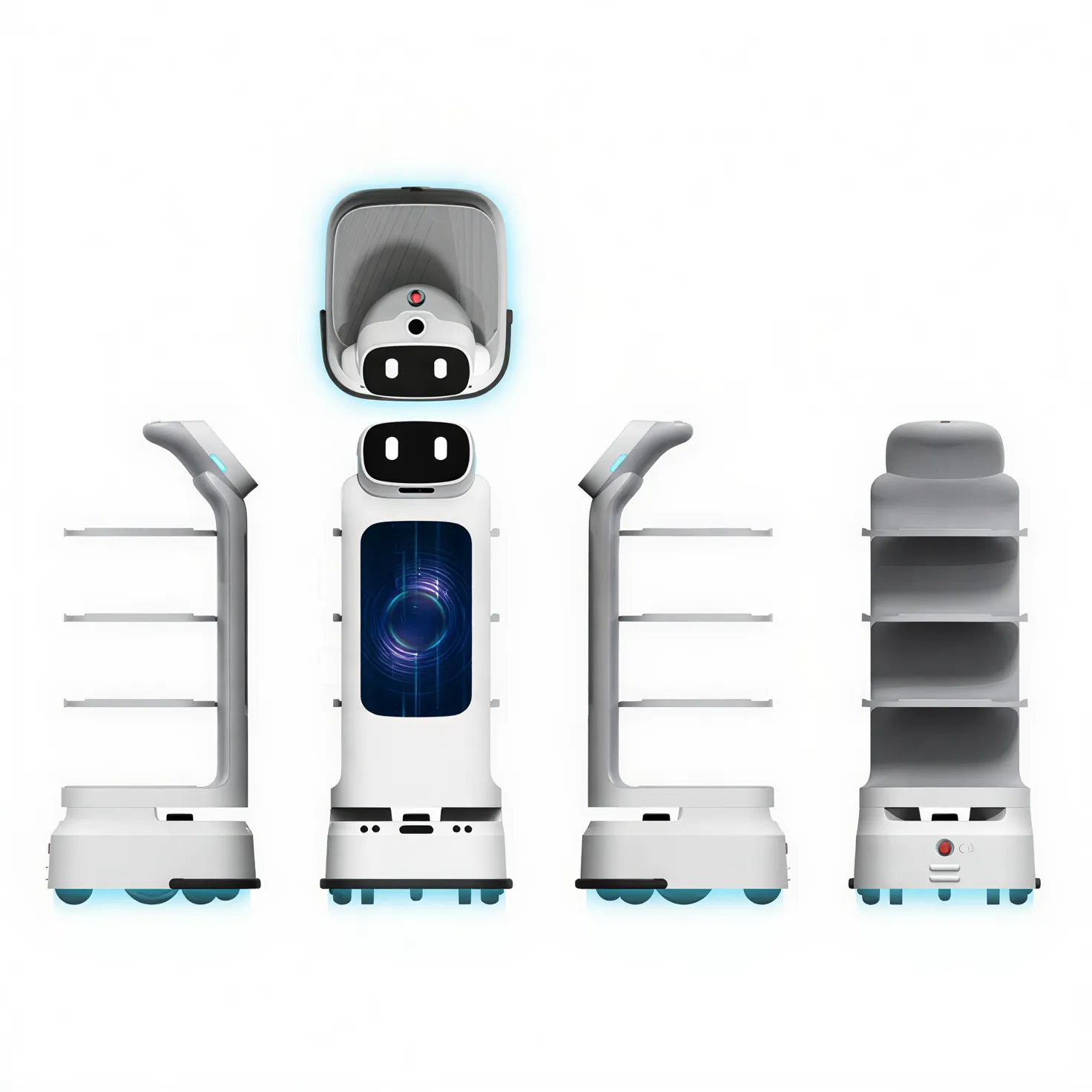
A robot waiters one of its most important abilities is to safely and independently can move around in the guest room. To do this, they use a variety of sensors and navigation solutions that allow them to avoid obstacles, recognise their surroundings and follow precisely planned routes.

Serving robot - robot waiter

1. Sensors - the basic „sensory organs”

Robot waiters combine multiple sensors to continuously monitor the environment.
The most common sensors:

  • Collision sensors - stop or slow down the robot if something gets in its way.
  • Distance and direction sensors - help you recognise walls, tables and other objects.
  • Infrared or ultrasonic sensors - measure the distance of objects in front of the robot.

Together, these ensure that the robot does not bump into guests or tables.

2. Cameras and visual perception

Many robot waiters also use cameras to better understand their surroundings.
The cameras:

  • help the robot to follow the route,
  • support obstacle detection,
  • improve the accuracy of navigation.

The cameras do not replace the other sensors, but complement them, so the robot can move more safely in rotating and changing environments.

3. Map and preset routes

The robot waiters in action map are used from the guest area.
This could be:

  • map created during installation,
  • or a network of routes automatically traversed and stored by the robot.

The robot uses this to move between the kitchen and the tables, and find its way even if there are a lot of guests moving around.

4. Real-time obstacle avoidance

A robot waiter is constantly aware of its surroundings and if someone or something gets in its way:

  • slow down,
  • stop by,
  • or choose a new route.

This feature allows it to work safely between people, even in crowded restaurants.

5. Stability and predictable movement

The robots are programmed to move at a steady speed, avoiding sudden movements.
This is for guests:

  • safer,
  • more predictable,
  • and free from distractions.

Summary

A robot waiter moves safely around the guest area using a combination of cameras, sensors and pre-planned routes. Real-time obstacle detection and automatic route modification allow you to work quickly and reliably even among people. This technology makes modern hospitality not only efficient but also experiential.

More articles

    📞 Call Request for quotation