The advantages of cleaning robots
- Continuous, predictable operation
The robots can be programmed, timed and can clean along a pre-set route. This means they can be operated several cycles a day without human supervision.
- Consistent quality
The robot follows the same cleaning pattern every time, it doesn't get tired, it doesn't miss areas - this is especially important in large floor areas.
- Labour turnover for monotonous tasks
Repetitive tasks such as cleaning floors or corridors can be easily automated, allowing staff to focus on higher value work.
- Hygiene benefits
The robots are touch-free, which can help reduce quality variations caused by human error or inattention.
- Stable operation over large surfaces
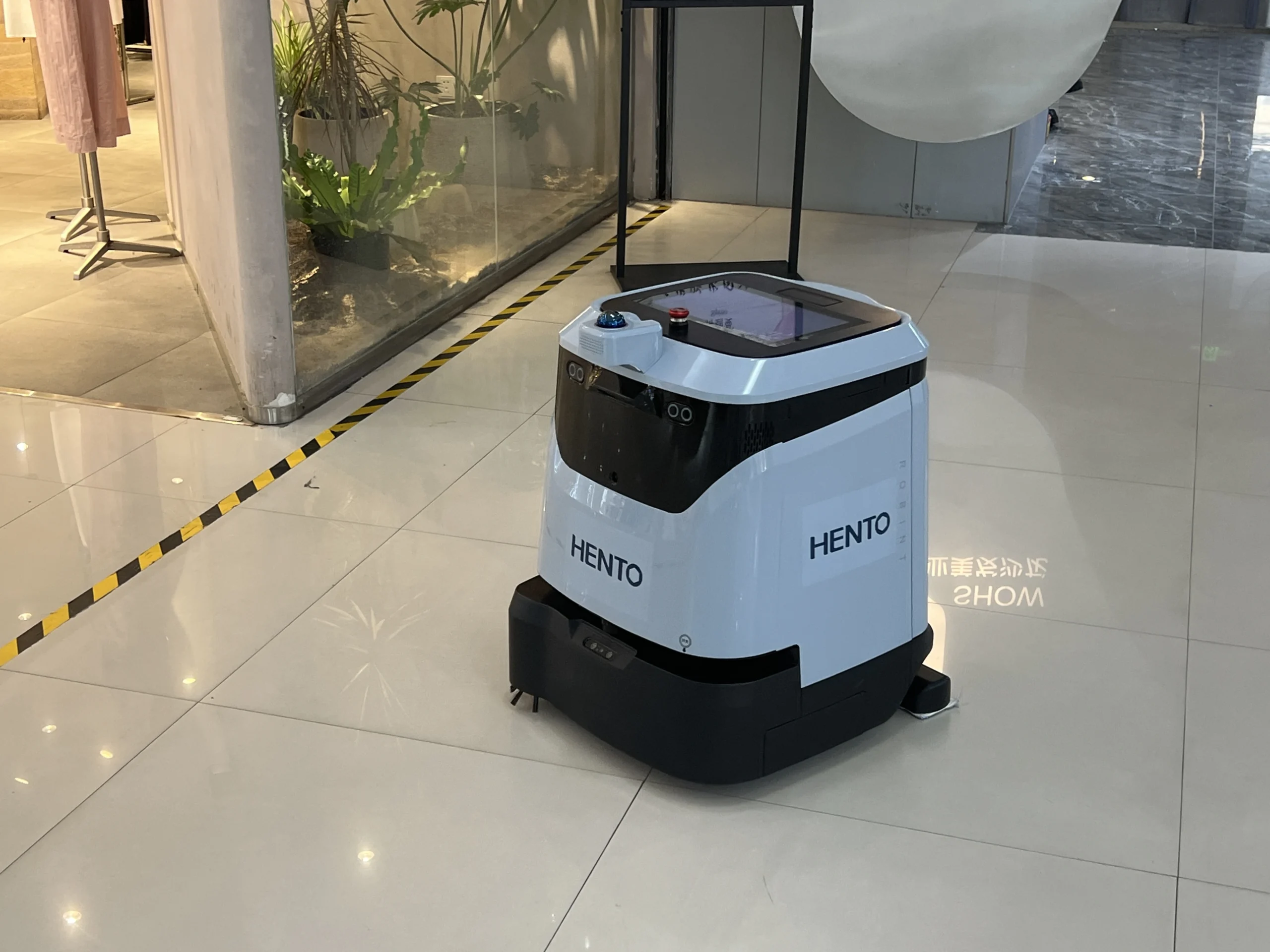
A professional cleaning robots is specifically designed for regular cleaning of large spaces where constant cleanliness is particularly important.
The disadvantages of cleaning robots
- Limited flexibility
Although robots are good at handling pre-learned routes, unexpected clutter, tight spaces or special manual tasks may still require human intervention.
- Investment cost
The price of a professional cleaning robot can be higher than that of a traditional cleaning tool, so the return on investment should always be based on individual frequency of use and area.
- The environment may require preparation
Cables, scattered small objects or cluttered spaces can obstruct the robot's path, so some areas may need to be tidied up beforehand.
The advantages of traditional cleaning
- High adaptability
Human staff can respond immediately to special situations, spills, spills or problematic surfaces.
- Managing complex tasks
Manual cleaning remains essential for hard-to-reach places, fine details and special cleaning needs.
Disadvantages of traditional cleaning
- Labour and time requirements
Large floor areas require many man-hours, which can be costly.
- Quality fluctuations
Performance depends on workers, workload, fatigue and attention fluctuations.
- Availability problems
In sectors with labour shortages, it is increasingly difficult to find stable staff, especially in cleaning.
Summary
A cleaning robots are not a complete replacement for human cleaning, but are excellent at automating large areas of repetitive floor cleaning tasks. The best results are usually robot + human control combination: the robot does the ongoing, daily maintenance cleaning, while the staff can concentrate on the details and specific tasks.