When and how should collaborative robots (cobots) be used in industrial production?

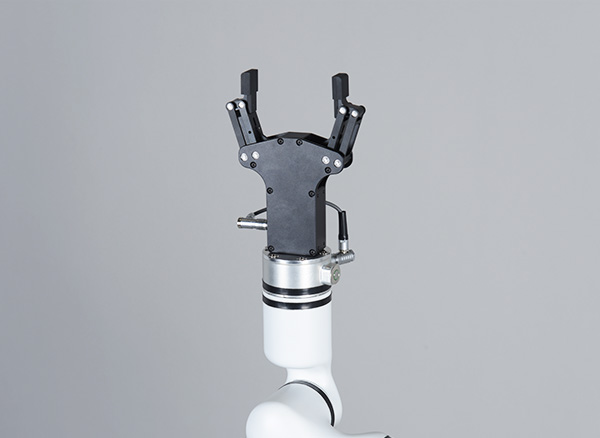
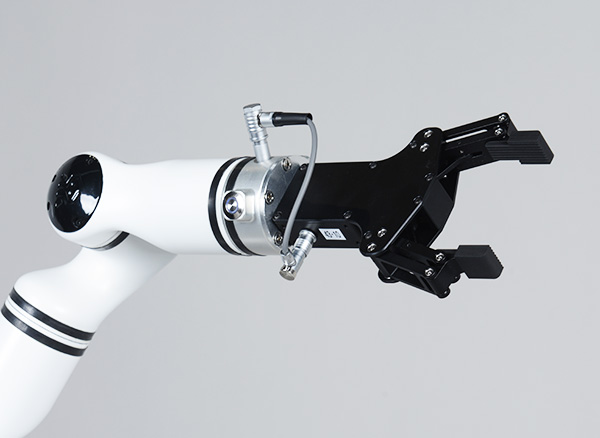
Cooperative robots - in brief cobots - such industrial robotic arms, which are designed to work safely around people, even in a shared workspace. The aim is not to automate everything, but to make workflows more efficient.

In industrial production, cobots are particularly useful where repetitive, precise or physically demanding tasks need to be performed.

When should you use a cobot?

  1. For repetitive, monotonous tasks

A cobots repeat movements with great precision and tirelessness.
Examples of such tasks include:

  • packaging of parts,
  • screwing,
  • quality control samples,
  • feeding or servicing a machine.


  1. If the process does not justify a fully enclosed industrial robot cell

The cobots operate at lower speeds and with safety sensors, so in many cases do not require large areas or protective fencing.
This is beneficial if:

  • the space available is limited,
  • it is less worthwhile to install a large, fixed robot station,
  • the tasks are variable.


  1. If we want to relieve the burden on workers

The cobots can take over physically demanding or repetitive movements while the human worker can focus on supervision, quality control or more complex problems.


  1. Flexible production environment

Cobots are easy to relocate and reprogram, making them an advantage in plants where:

  • frequent product changes,
  • small or medium production runs,
  • a rapid changeover is needed.

How should you introduce cobots?

  1. Start with a process analysis

For best results, you must first identify the workflows that:

  • take a lot of time,
  • returners,
  • are flawed by human fatigue.
  1. Safety assessment required

Cobots have sensors designed for safe operation, but each industrial environment is unique.
General practice:

  • risk analysis,
  • assessing the working environment,
  • setting the right speed, force and stopping distance.
  1. Training: manually guided or with graphical software

One advantage of cobots is that most models:

  • manually movable in teaching mode (the robot „remembers” the movement),
  • visual programming can also be controlled.

This makes commissioning and subsequent modifications easy.

  1. Gradual introduction

Successful integration often starts with the cobot:

  • takes on a single task,
  • and then, based on experience, further sub-processes can be automated.

Summary

Cobots are ideal for industrial environments where repetitive, precise or physically demanding tasks need to be performed, while flexibility and a shared workspace with humans are important.
The key to success is choosing the right process, a security settings, as well as the gradual, thoughtful integration.

More articles

    📞 Call Request for quotation